
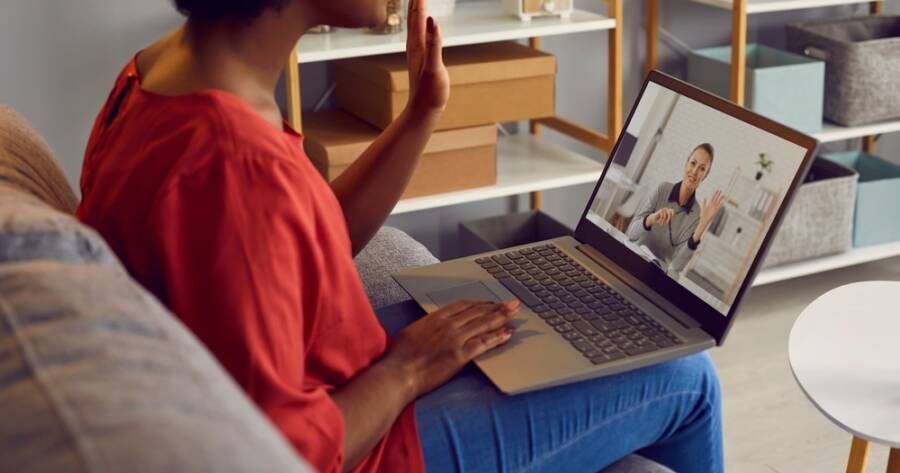
Online therapy has become an essential tool for managing mental health, offering convenience and flexibility that traditional therapy often lacks. With just a device and an internet connection, you can connect with licensed professionals from the comfort of your own space. This accessible approach to therapy has proven effective for many, providing ongoing support, guidance, and coping strategies without the need for in-person visits.
Convenient Access to Professional Support
One of the most significant benefits of online therapy is the convenience it offers. Traditional therapy often requires scheduling appointments weeks in advance, traveling to a clinic, and finding time in a busy schedule. Online therapy eliminates many of these barriers by allowing you to connect with a therapist from your home or any private space. This flexibility makes it easier to maintain consistent sessions, which is vital for effective mental health care.
Moreover, online therapy platforms often offer evening and weekend availability, accommodating those with non-traditional work hours or family responsibilities. You can schedule a session when it suits you without worrying about commuting or taking time off. The ease of access encourages more people to seek help, particularly those who might otherwise avoid therapy due to logistical challenges.
Greater Privacy and Reduced Stigma
For many, seeking mental health support can feel daunting due to stigma or concerns about privacy. Online therapy offers a more discreet way to access care, allowing you to attend sessions without being seen entering a clinic. You can have meaningful conversations without the fear of being judged or recognized. This sense of privacy can make opening up to a therapist much more comfortable.
Additionally, online therapy can be particularly beneficial for those living in small communities where maintaining anonymity might be challenging. Whether through video, phone, or text-based sessions, you have more control over how you engage with your therapist. By reducing the perceived stigma, online therapy empowers individuals to address their mental health needs without fear of social repercussions.
Access to a Broader Range of Therapists
Online therapy opens the door to a wider selection of mental health professionals. Instead of being limited to therapists within your local area, you can choose from licensed providers across your state or even country. This broader pool allows you to find a specialist who matches your needs, whether you’re seeking help for anxiety, trauma, or relationship issues.
Many platforms also offer matching services that connect you with therapists based on your preferences, such as therapeutic approach, experience, or cultural background. Finding the right therapist can significantly impact your progress, and online options make this search much easier. Being able to choose from a diverse range of professionals increases the likelihood of finding a supportive and understanding therapeutic relationship.
Affordability and Flexible Payment Options
Cost is a common barrier to accessing mental health care, but online therapy often offers more affordable rates compared to traditional in-person sessions. Without the need for office space, many therapists can lower their fees, making services more accessible. Some platforms even offer subscription plans, which include a set number of sessions per month at a discounted rate.
Additionally, many online therapy providers accept insurance or offer sliding scale fees based on your financial situation. This flexibility can make ongoing therapy more manageable for those on a budget. By reducing financial strain, online therapy allows more individuals to receive consistent, quality mental health care without compromising their well-being. It also encourages long-term commitment to therapy, which can be essential for personal growth.
Comfortable and Safe Environment
The ability to attend therapy from your chosen environment adds a layer of comfort that traditional settings may lack. Whether from your living room, bedroom, or a quiet outdoor space, being in a familiar setting can make it easier to express emotions and share personal stories. This comfort can enhance the therapeutic process, as feeling at ease promotes openness and honesty.
Safety is also a crucial factor, especially for those dealing with anxiety or mobility challenges. Not having to travel to an office can significantly reduce stress and make therapy more accessible. You can create a calming atmosphere with your favorite items nearby, like a cup of tea or a comforting blanket. The sense of safety and control in your environment can support deeper, more meaningful conversations.
Empowering Your Mental Health Journey
Choosing online therapy is a step toward prioritizing your mental health in a way that fits your lifestyle. The flexibility, privacy, and affordability make it a practical option for many.
Access to a diverse range of therapists allows for a more personalized approach, while the comfort of home creates a safe space for self-reflection. Taking advantage of online therapy’s unique benefits can lead to positive, lasting changes in your well-being.